Understanding Body Weight Management and Nutritional Balance
Explore the comprehensive principles of nutrition, healthy eating habits, and sustainable lifestyle choices. This resource presents scientifically-informed perspectives on metabolism, balanced nutrition, and the role of physical activity in overall wellness.
Educational content only. No promises of outcomes.

The Role of Energy Balance in Weight Management
Energy balance represents the relationship between calories consumed through food and beverages and calories expended through metabolism and physical activity. Understanding this fundamental concept provides context for comprehending how body weight changes over time.
The human body continuously expends energy through basal metabolic rate (the energy needed for basic biological functions), thermic effect of food (energy used to digest and process nutrients), and physical activity. These components vary significantly between individuals based on age, sex, muscle mass, genetics, and lifestyle factors.
When caloric intake equals caloric expenditure, body weight typically remains stable. Prolonged surplus or deficit creates shifts, but the human body is remarkably adaptive, and metabolic adjustments occur over time. This context helps explain why sustained dietary and lifestyle changes often show different results than short-term dietary interventions.

Foundational Elements of a Balanced Diet

Macronutrients and Their Functions
Carbohydrates, proteins, and fats serve distinct physiological roles. Carbohydrates provide glucose for energy, proteins support muscle and tissue structure, and fats facilitate hormone production and nutrient absorption. A balanced diet typically includes all three in proportions suited to individual needs and activity levels.

Micronutrients and Essential Functions
Vitamins and minerals regulate metabolism, support immune function, and enable countless enzymatic processes. Vitamin D influences calcium absorption, B vitamins support energy metabolism, and minerals like potassium and magnesium maintain electrolyte balance. Consuming diverse, whole foods typically ensures adequate micronutrient intake.

Hydration and Metabolic Function
Water comprises approximately 60% of body weight and participates in temperature regulation, nutrient transport, and waste elimination. Adequate hydration supports cognitive function and physical performance. Individual hydration needs vary based on climate, activity level, and physiological state.
Lifestyle Factors Influencing Well-being
Physical activity, sleep quality, stress management, and social connection represent key pillars of sustained wellness. These factors interact with nutritional choices to influence overall health outcomes and metabolic function.
Regular physical activity improves cardiovascular health, enhances insulin sensitivity, and supports mental well-being. Resistance training preserves muscle mass, while aerobic activity strengthens the heart and lungs. The optimal exercise approach varies by individual preference, ability, and life circumstances.
Sleep deprivation disrupts hunger-regulating hormones, impairs cognitive function, and increases inflammation. Most adults benefit from 7-9 hours of quality sleep per night, though individual requirements vary. Chronic stress elevates cortisol levels and influences appetite and metabolism.

Historical Perspectives on Food and Culture
Food choices are shaped by cultural traditions, geographic availability, economic factors, and personal preferences. Throughout history, societies have developed diverse dietary patterns reflecting local agriculture, trade routes, and cultural practices.
Key Concepts in Nutritional Science
Mediterranean populations historically consumed abundant vegetables, legumes, olive oil, and fish, reflecting their geographic context. Asian dietary traditions often emphasize rice, fermented foods, and plant-based proteins. Understanding these patterns provides context for contemporary nutritional science and demonstrates that diverse dietary approaches can support health.
Mindful Eating and Awareness
Mindful eating practices emphasize attention to hunger cues, satiety signals, and eating pace. This approach encourages awareness of food choices without judgment, potentially supporting more sustainable relationships with nutrition.
Eating slowly allows time for satiety signals to reach the brain, which typically requires 15-20 minutes. Distracted eating—while watching screens or working—often bypasses these natural feedback mechanisms. Creating a calm eating environment and minimizing distractions supports greater awareness of actual hunger and fullness.
Food preferences are influenced by repeated exposure, cultural context, and psychological associations. Repeated tasting of unfamiliar foods often increases preference, a phenomenon known as the mere exposure effect. Understanding these mechanisms helps contextualize how dietary habits form and evolve.

Understanding Dietary Patterns and Approaches
Numerous dietary frameworks exist, each emphasizing different nutritional principles. Understanding these approaches provides context for assessing their relevance to individual circumstances and preferences.
Different dietary patterns—including Mediterranean, DASH (Dietary Approaches to Stop Hypertension), plant-based, and others—have demonstrated varying levels of scientific support. The effectiveness of any approach depends significantly on adherence and individual metabolic factors. Sustainable dietary changes are more likely to yield lasting results than restrictive or unsustainable regimens.
Common Misconceptions in Nutrition
- Carbohydrates inherently cause weight gain: Weight change results from total caloric intake, not specific macronutrient type. Some individuals thrive with higher carbohydrate intakes, while others prefer lower proportions.
- All calories are nutritionally equivalent: While caloric balance matters for weight change, nutrient quality significantly influences overall health, satiety, and metabolic function.
- Eating fat makes you fat: Dietary fat is essential for hormone production, nutrient absorption, and brain health. Fat alone does not determine weight change; caloric balance does.
- Skipping meals accelerates weight loss: Meal skipping often leads to compensatory overeating and may reduce metabolic efficiency. Regular eating patterns typically support more stable energy and appetite regulation.
- Certain foods "burn" calories during digestion: All foods require energy to digest, but the thermic effect of food typically represents only 10% of daily energy expenditure. No single food significantly accelerates weight loss.
The Science of Digestion and Nutrient Absorption
Digestive processes begin in the mouth with mechanical and enzymatic breakdown of food. The stomach continues mechanical digestion and secretes acidic fluid to denature proteins. The small intestine is the primary site of nutrient absorption, where specialized cells transport glucose, amino acids, fatty acids, vitamins, and minerals into the bloodstream.
The large intestine (colon) absorbs water and electrolytes while harboring trillions of bacteria comprising the microbiome. These beneficial bacteria produce short-chain fatty acids, synthesize certain vitamins, and contribute to immune function. Factors like dietary fiber, fermented foods, and microbial diversity influence microbiome composition.
Transit time through the digestive system typically ranges from 24-72 hours, depending on food composition, hydration status, and individual factors. Fiber intake, water consumption, and physical activity influence digestion speed and efficiency. Understanding these processes provides context for nutritional guidance and helps explain individual variation in digestive response.
Metabolism: Understanding Energy Expenditure
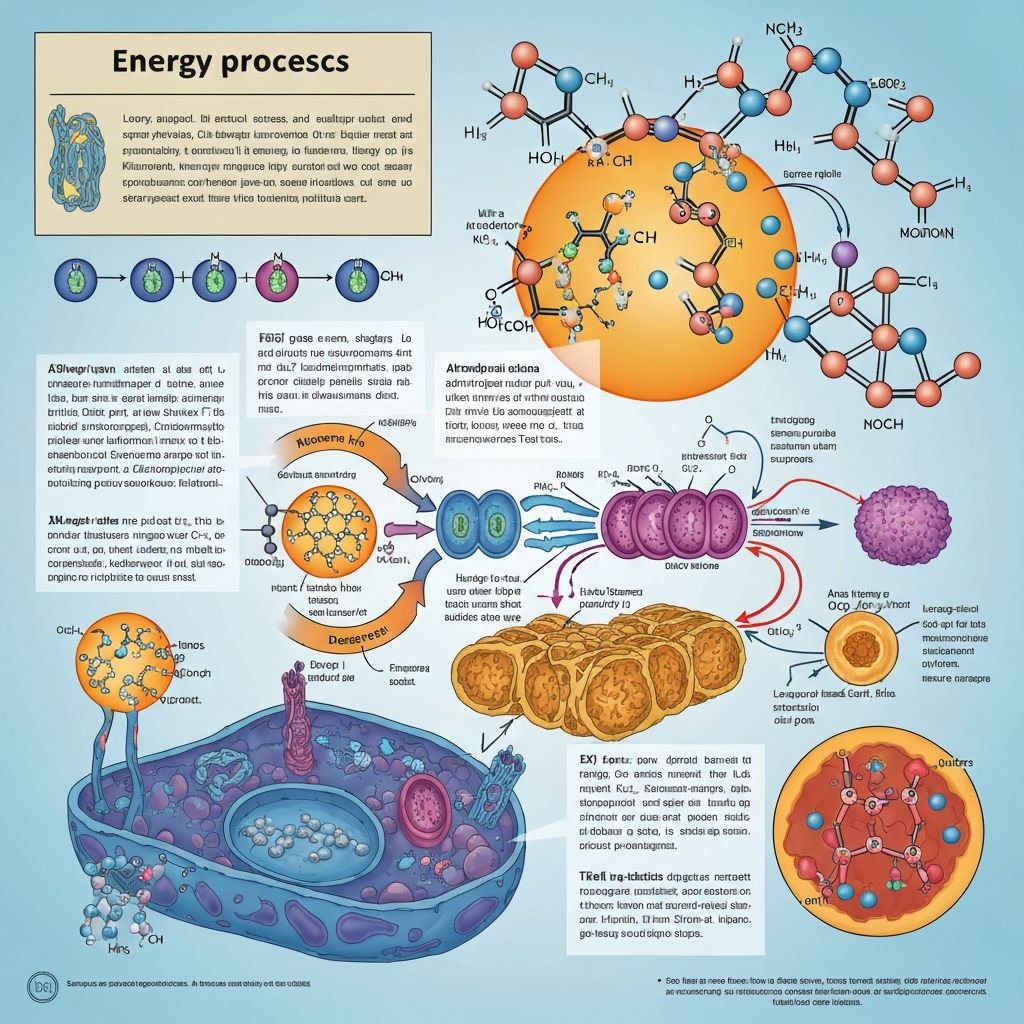
Metabolism encompasses all chemical processes maintaining life. Basal metabolic rate (BMR) represents energy expended at rest for vital functions like breathing, circulation, and cell production. BMR accounts for roughly 60-70% of daily energy expenditure in sedentary individuals.
Factors influencing BMR include age, sex, body composition, genetics, and hormonal status. Muscle tissue is metabolically active and requires more energy at rest than fat tissue. This explains why resistance training, which preserves or builds muscle, supports metabolic function.
Non-exercise activity thermogenesis (NEAT)—energy expended during daily activities—varies tremendously between individuals and can represent 15-30% of daily expenditure. Occupational activity, fidgeting, and spontaneous movement all contribute. Adapting metabolism occurs during prolonged caloric restriction, as the body conserves energy through reduced metabolic rate.
Nutritional Assessment and Individual Variation
Individual nutritional requirements vary based on age, sex, activity level, health status, and metabolic factors. Registered Dietitian Nutritionists employ comprehensive assessment methods to evaluate current intake and identify potential deficiencies or excesses.
Genetic variation influences nutrient requirements and how individuals respond to dietary composition changes. Epigenetics—heritable changes in gene expression—can be influenced by dietary factors. Twin studies demonstrate that genetic factors account for significant variation in weight regulation, although environmental and behavioral factors remain critically important.
Cultural food preferences, economic circumstances, food availability, and personal beliefs all influence dietary choices. Sustainable nutritional changes typically respect these individual contexts rather than prescribing rigid dietary rules. Understanding these complexities emphasizes that effective nutrition guidance requires individualization rather than universal prescriptions.